Planning flatbed hire in Doncaster
Picture a compact excavator being delivered to a house on the edge of Doncaster, or forty bags of plaster and a stack of boards bound for a terraced street. The vehicle may need to stay beside the property while a buyer inspects the machine, a crew clears space or a neighbour moves a car. That waiting time is where many dropside jobs go wrong, so this page starts with the handover and works back to the vehicle.
Private customers, trades and commercial users all face the same questions. Which bed and payload suit the load? Does the driver's licence cover the plated weight? How will the load be restrained and taken off, where can the vehicle lawfully stand, and what will the return inspection look for? Treat what follows as practical guidance to confirm with your supplier, because availability, prices and terms are only settled when you book.
Plan the handover before choosing a vehicle
Start with the receiving end. Who will be there, what will lift or roll the item off, and where will it be set down? A tracked mini digger, a pallet of blocks and a bundle of timber each need a different answer. If the plan relies on a forklift, telehandler or ramps at the property, confirm that the equipment exists and that someone competent will operate it. Never assume lifting gear comes with the hire.
HSE workplace transport guidance asks for loading areas that are clear and level, a vehicle standing as stably as possible, and unloading arrangements agreed in advance. For a driveway handover, that means checking the slope, soft ground, overhead cables and passing pedestrians before you arrive, and telling the recipient exactly when the vehicle will turn up and how long it should need.
Sources: HSE: safe loading and unloading
Matching bed length and body to the load
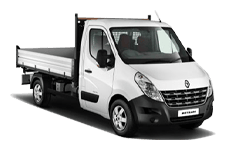
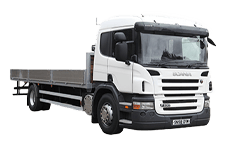
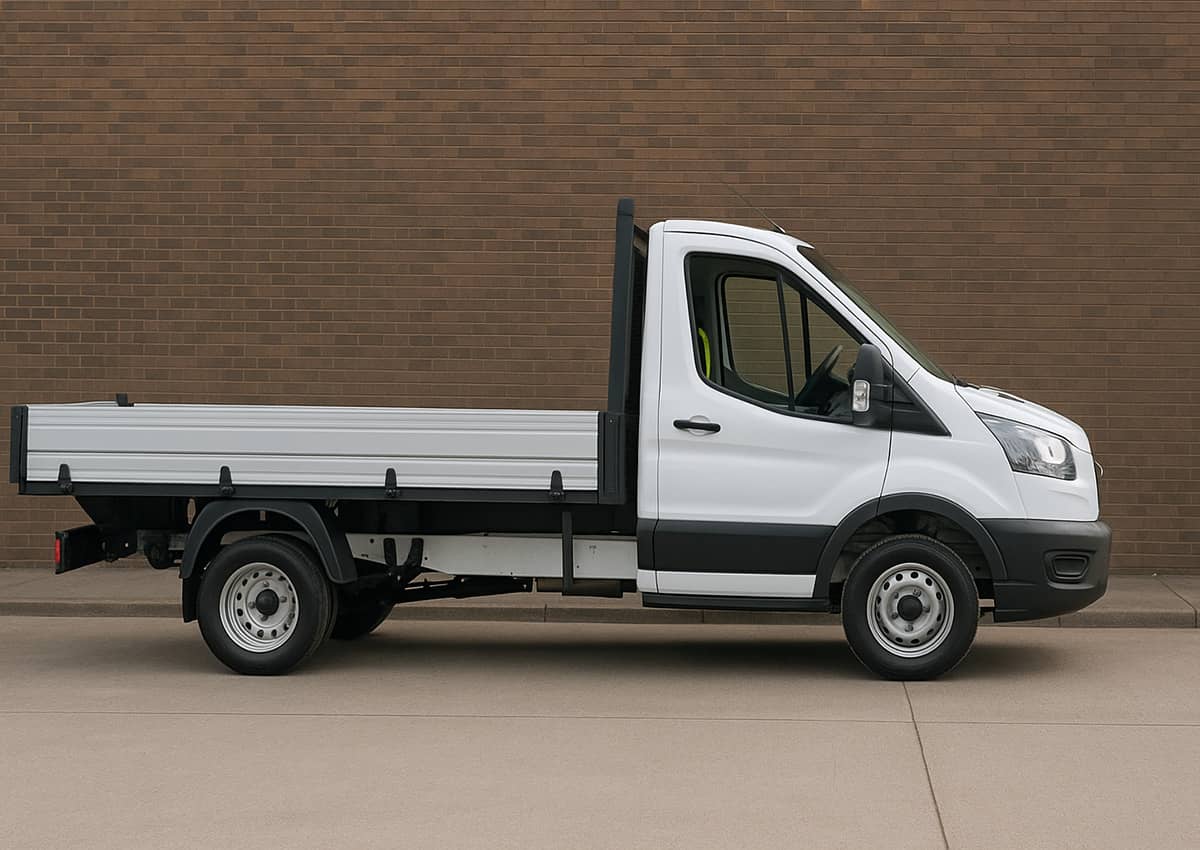
A 3 metre dropside suits fencing panels, boards, bagged materials and smaller machines on streets where a lorry would be awkward to park. The 4 metre category adds deck length for pipe, long timber or pallets placed end to end. A dropside with a tail lift is worth raising when goods are wheeled or palletised and nobody at the property has a forklift.
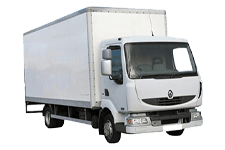
The 7.5 tonne dropside brings a longer, wider bed for scaffolding, several pallets and heavier machinery, along with its own licence, route and unloading questions. Every published dimension is representative. Ask for the allocated vehicle's bed size, side height and tie-down layout, then measure your load, including anything that would sit beyond the tailboard.
Sources: Nationwide Hire UK: 3 metre dropside, Nationwide Hire UK: 4 metre dropside, Nationwide Hire UK: dropside with tail lift, Nationwide Hire UK: 7.5 tonne dropside
Payload, plated weight and axle balance
Gross vehicle weight, also called maximum authorised mass, is the most the loaded vehicle may weigh, and it is normally shown on the plate or sticker. Payload is what remains after the vehicle, fuel, driver and passengers are counted, and pallets and packaging eat into it too. A 3.5 tonne van carries far less than 3.5 tonnes of cargo.
Take machine weights from the data plate, not memory, and add buckets and attachments. DVSA overloading advice also looks at individual axles: a heavy machine parked near the tailboard can overload the rear axle while the total looks fine, and dropping part of a load shifts the balance again. If in doubt, visit a weighbridge before setting off.
Sources: GOV.UK: vehicle weights explained, DVSA: HGV overloading basics
Licence categories and who drives
Licence entitlement follows the plated maximum authorised mass, not the weight of the cargo. Category B generally covers vehicles up to 3.5 tonnes, and above that, up to 7.5 tonnes, the driver generally needs C1. Check the plate on the allocated dropside rather than guessing from its body length, then check the categories on each driver's licence.
Suppliers may set their own age or experience conditions, and a 7.5 tonne lorry used for business can bring further commercial requirements, so raise both when booking. If a trade customer sends a colleague to collect, it is that person's licence that matters. Where a handover could run late, a second named driver avoids stranding the vehicle at the property.
Sources: GOV.UK: driving licence categories, Nationwide Hire UK: 7.5 tonne dropside
Restraint and side loading on an open deck
A load must never rely on its own weight or on friction to stay put. DVSA expects the securing system to suit both load and vehicle, with the platform, anchorage points and weight limits checked before loading starts. Straps go on rated anchorage points; sheeting and rope hooks are not load restraints. A tracked machine usually needs chocks as well as straps, and boards travel better on friction matting against a sound headboard.
Lowering a side makes forklift loading easy, but raise and latch it before moving, and never stand where a released load could fall. Anything projecting beyond the body may need marking or advance notice depending on how far it extends, so measure the overhang and check the current official guidance for that load before travel.
Sources: DVSA: securing loads on HGVs and goods vehicles, DVSA: load securing basics, DVSA: ways to secure a load, DVSA and DfT: overhanging loads on vehicles
Lawful standing: unloading, on-site vehicles and dispensations
Keep three situations separate. Stopping briefly while you actively unload is one. Needing the vehicle to stay beside the property for hours while a machine is tested and signed for is another. A council dispensation is the third: the formal way to seek permission where signed restrictions would otherwise apply.
The council says a dispensation applies only to a specific vehicle, on the date and at the location specified, and must be approved and issued before work commences. With hire, the registration may not be known until a vehicle is allocated, so confirm it and the date with your supplier before applying. If a replacement is sent, assume a new or amended application may be needed. Do not schedule the crew or machine delivery around a restricted position until permission is in hand.
Sources: Doncaster Council: dispensations
Checking the final street and weight limits
The council's traffic regulation orders cover restrictions including speed limits, on-street parking, one-way streets and weight limits, and an interactive map shows the restrictions across Doncaster. Use it to plan the last stretch to the property for the actual vehicle. A postcode search finds the house; it does not tell you whether a 7.5 tonne lorry may use the approach.
Look for weight limits, one-way sections that could force a long reverse, and parking controls where you intend to stand. Treat the map as a planning aid, confirm current signs on arrival, and ask the recipient about gates, low branches and turning space. Choosing a lawful route stays with the driver.
Returning the vehicle and closing the paperwork
Photograph the deck, sides, tail lift and tyres at collection and again at return, with fuel and mileage visible. Remove any straps and matting you brought, sweep out mortar, soil and offcuts, and report damage or a tail-lift fault at once rather than leaving it to be discovered at inspection.
One hire company's published terms and conditions show how much a hire agreement can cover, but they are an example, not your contract. Read the documents your own supplier issues, paying attention to return time, fuel, cleaning and damage. Keep copies of any dispensation, weighbridge ticket and inspection sheet, and check the final invoice against what was agreed.
Sources: Third-party reference: Nationwide Hire UK terms and conditions